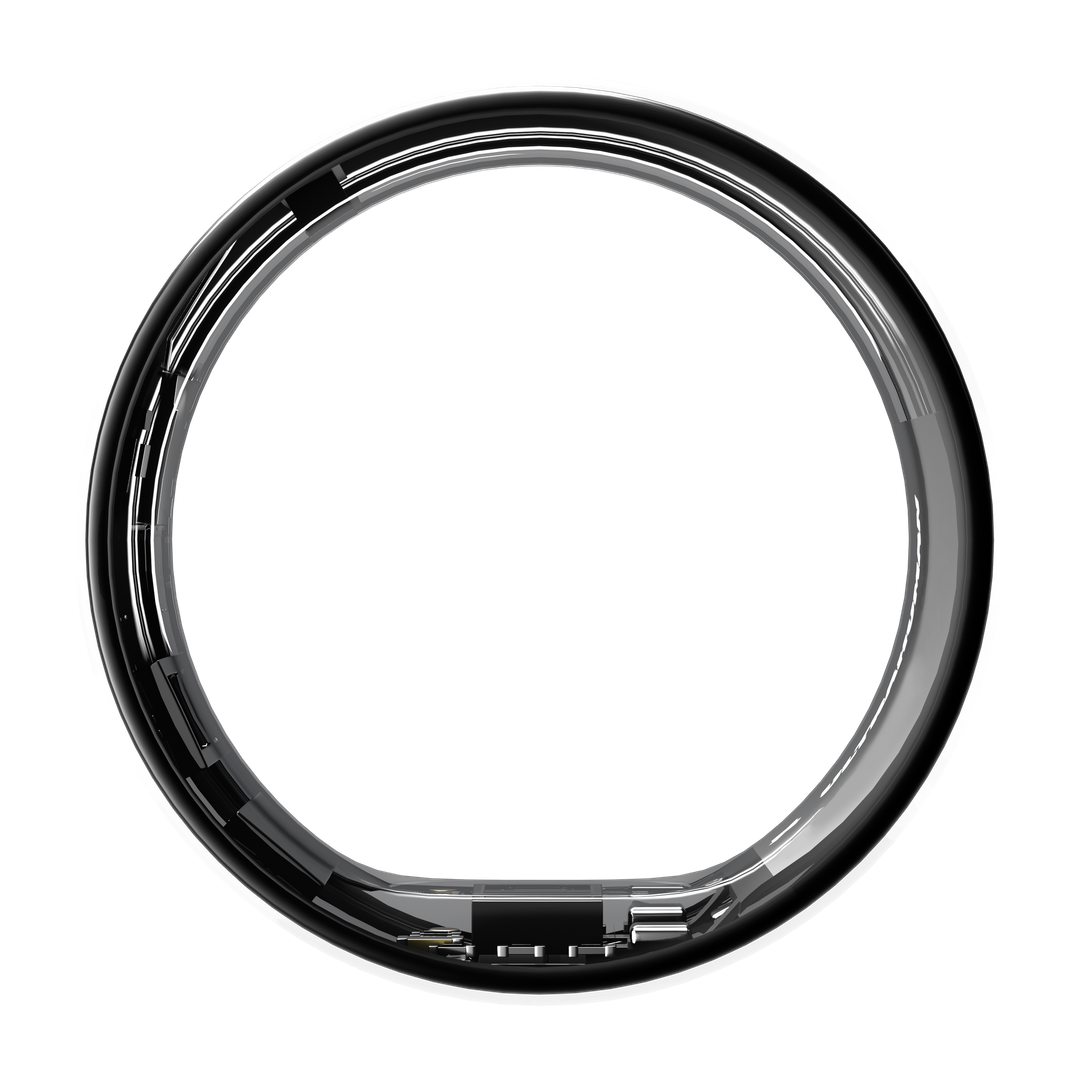
Where each one wins
| Function | Smart ring | Smartwatch |
|---|---|---|
| Sleep analysis | ★★★★★ | ★★★☆☆ |
| HRV and recovery | ★★★★★ | ★★★☆☆ |
| GPS for sports | ❌ | ★★★★★ |
| Notifications | ❌ | ★★★★★ |
| Nighttime comfort | ★★★★★ | ★★☆☆☆ |
| Battery | ★★★★★ (7-10 days) | ★★☆☆☆ (1-3 days) |
| Discretion | ★★★★★ | ★★★☆☆ |
Why a ring beats a watch for sleep — every time
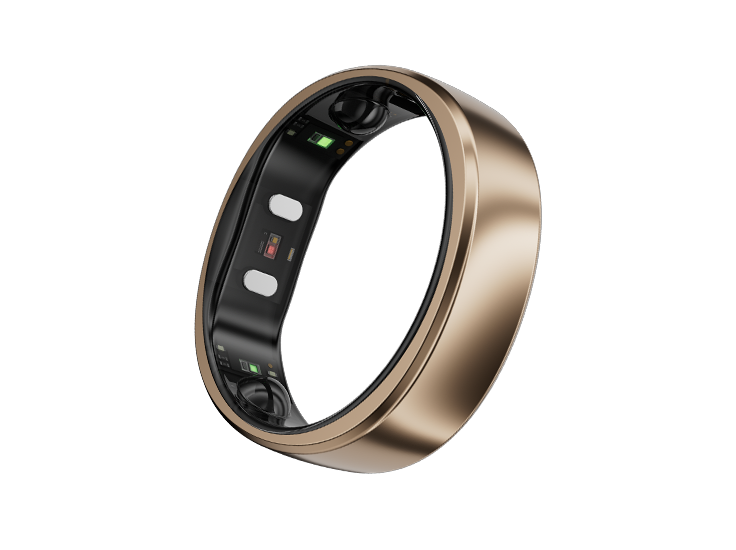
Think about it physically. The finger has better blood flow and thinner skin than the wrist — the optical sensors (the tiny lights that measure your pulse) get a cleaner signal. Less movement artifact, less noise. That translates directly into more accurate sleep stage data.
And then there's the comfort factor. Sleeping with a chunky watch on your wrist is fine until you roll over and it digs in. A ring? You forget it's there after the first night. Most Apple Watch owners charge it overnight anyway — which means they're skipping exactly the data they say they want.
Independent studies have Oura Ring 15–20% more accurate for sleep stage detection than Apple Watch or Garmin. If you're serious about understanding your sleep, that gap matters.
Why a smartwatch wins for sports
No GPS is the ring's biggest limitation, full stop. If you run, cycle, or hike and you care about routes, pace, and distance without carrying your phone — you need a watch. Rings don't have GPS and they never will (the battery physics don't work at that size).
Smartwatches also detect more exercise types automatically, give real VO2 max estimates during hard efforts, and some have ECG. For active training, the watch is the tool.
The setup that works best
Wear both. Lots of people do — ring on the finger for 24/7 passive monitoring, watch on the wrist for workouts and during the day. The watch charges at night while you sleep. The ring collects the nighttime data the watch misses. They sync to the same health app without conflict. It's not as expensive as it sounds when you spread the cost over a few years.
Frequently asked questions
Can I use the ring and smartwatch at the same time?
Yes, on different hands. Many users wear the ring on the right hand and the smartwatch on the left. They don't interfere with each other.
Does Apple Watch have better sleep tracking than Oura Ring?
No. Apple Watch has improved a lot, but the Oura Ring is still more accurate for sleep stage analysis and nighttime HRV. The difference is especially noticeable in deep sleep and REM detection.
Does the Oura Ring automatically detect exercise?
Yes, but with fewer activity types than a smartwatch and without GPS. It detects walking, running, cycling and general activity, but doesn't give detailed training metrics.
Which is more durable?
Smart rings are generally more durable because there's no screen to break. The titanium Oura Ring holds up very well to intensive daily use.
Which is better for older adults?
For older adults unfamiliar with smartwatches, the ring can be simpler since there's no screen or interface to learn. It just syncs with the phone automatically.
Are there smartwatches that match the ring for sleep tracking?
In 2026, no smartwatch has matched the Oura Ring's accuracy in sleep analysis. The Garmin Fenix 8 and Apple Watch Ultra 2 come close, but still lag behind in nighttime HRV and stage detection.