Smart ring water resistance compared: who leads the field?
| Smart Ring | Water Resistance | Pool Safe | Ocean Safe | Hot Tub Safe | Scuba |
|---|---|---|---|---|---|
| Oura Ring 4 | 100m / 10 ATM | ✅ | ✅ | ✅ | ❌ |
| Samsung Galaxy Ring | 10 ATM | ✅ | ✅ | ✅ | ❌ |
| Ultrahuman Ring Air | 100m | ✅ | ✅ | ✅ | ❌ |
| RingConn Gen 2 Air | 5 ATM | ✅ | ✅ | ⚠️ caution | ❌ |
| Movano Evie Ring | 5 ATM | ✅ | ✅ | ⚠️ caution | ❌ |
The key takeaway from this comparison: all major smart rings are waterproof enough for everyday use. Water resistance is no longer a differentiator in this product category — if you're choosing between the Oura and a competitor, make your decision based on sleep accuracy, subscription cost and platform compatibility instead.
What "100 metres water resistance" actually means
The 10 ATM / 100m rating does not mean you can wear it at 100 metres of depth. It means the ring has been tested to withstand static pressure equivalent to 100 metres of water in a laboratory. Real-world diving creates dynamic pressure that exceeds the static test — which is why Oura does not recommend it for scuba diving.
In practical terms, 10 ATM means the ring is safe for:
- Daily showers (including hot showers with steam)
- Swimming in a pool — freestyle, butterfly, any stroke
- Swimming in the ocean including rough surf
- Snorkelling at surface depth
- Hot tubs and jacuzzis (heat does not affect the rating)
- Washing dishes, running faucets, rain
Not recommended:
- Scuba diving or freediving below a few metres
- High-pressure water jets (pressure washers, fire hoses)
- Saunas with direct water splashing on the ring (dry heat is fine)
Real-world testing: pool, ocean and hot tub
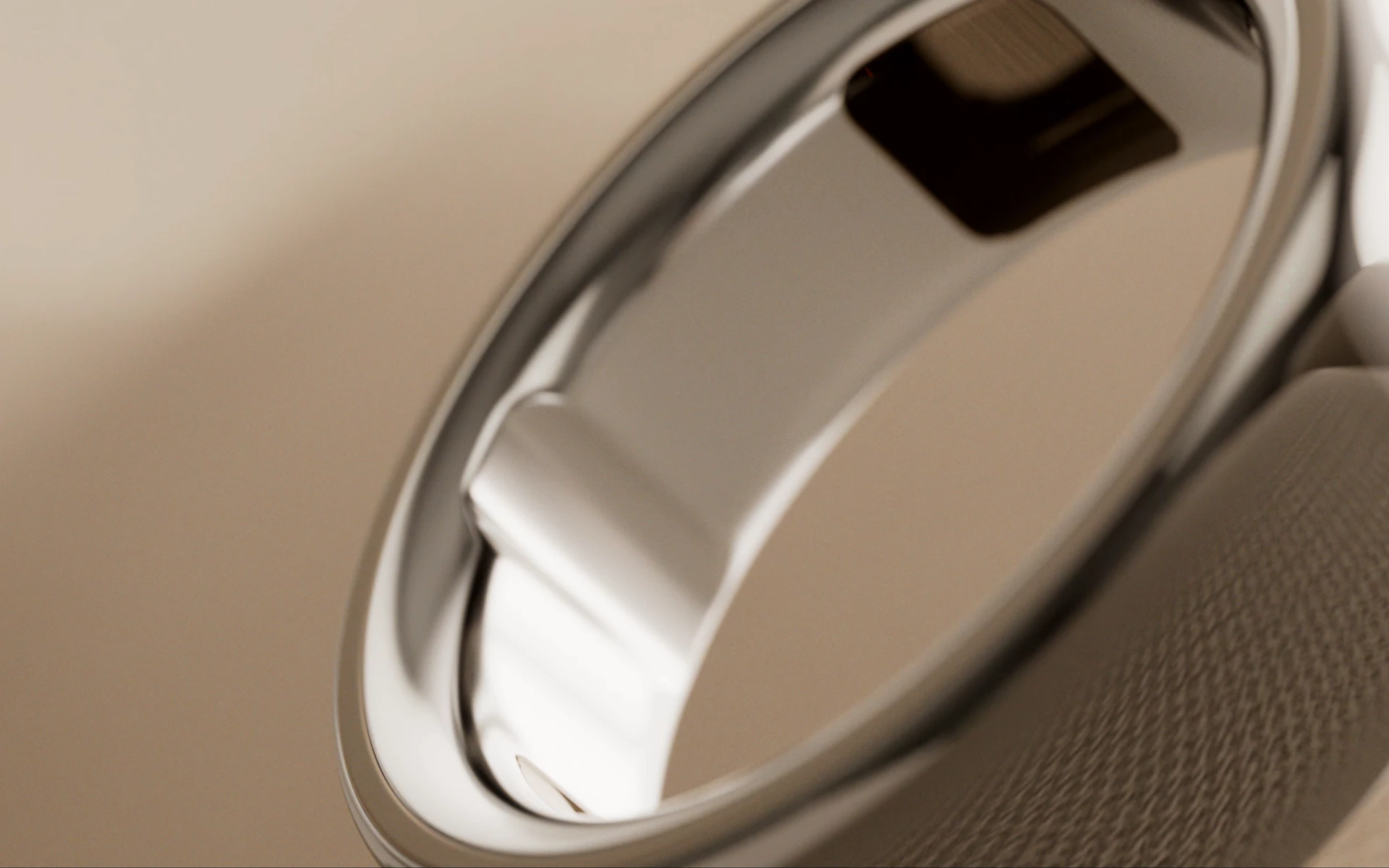
Over several months of real use, the Oura Ring 4 was worn through: daily showers, twice-weekly pool sessions (laps, not just leisure), two weeks of ocean swimming in saltwater, and multiple hot tub sessions at 40°C (104°F). In every scenario, performance was completely unaffected — sensors, Bluetooth connectivity and battery life all behaved identically to dry use.
Chlorine does not visibly degrade the titanium shell or the resin inner lining over a 6-month period. Saltwater left no residue after rinsing with fresh water. The only minor concern is long-term salt buildup in the charging pin area if the ring is not rinsed and dried before charging.
The one rule you must follow: dry before charging
This is the most important practical note about Oura Ring water resistance. The charging pins are the ring's one vulnerability to moisture. If water sits on the charging pins when you place the ring on the charger, you risk:
- Slow or failed charging sessions
- Gradual corrosion of the pin contacts over months
- In rare cases, complete charging failure requiring ring replacement
The fix is simple: after swimming or showering, dry the ring with a cloth or shake off excess water and wait 1–2 minutes before placing it on the charger. This single habit prevents the only real water-related risk with the Oura Ring.
The titanium shell: why the Oura Ring handles water so well
The Oura Ring 4's water resistance comes from its construction: a solid machined titanium outer shell with a completely sealed inner resin layer housing all the electronics. There are no gaps, no buttons and no speakers — nothing for water to enter through. The only openings are the optical sensors on the inner surface, which are protected by sapphire crystal lenses.
This design also makes the ring more durable than plastic-bodied alternatives. Titanium does not corrode, does not rust and does not react to chlorine or saltwater.
- Genuine 100m / 10 ATM rating — not just splash-proof
- Titanium + sealed construction is highly durable
- Tested: pools, ocean, hot tubs — zero issues
- Tracks swim metrics during pool workouts
- Not suitable for scuba diving
- Must dry before charging (pin corrosion risk)
- No swim tracking for open water distance
Who should care most about water resistance?
Swimmers: The Oura Ring 4 tracks heart rate during pool swimming and logs the workout automatically. Water resistance is a prerequisite — and the ring handles it without issue.
People in humid climates: If you sweat heavily, work outdoors or live somewhere humid, you don't need to baby the ring. Wear it through anything.
Those who shower at night: Many users prefer to charge while showering in the morning and wear the ring to bed. The 10 ATM rating means your shower habit does not limit when you can charge.
Surfers and water sports athletes: Safe for surfing and most watersports. Avoid scuba and freediving beyond a few metres depth.
Frequently asked questions about Oura Ring water resistance
Is the Oura Ring waterproof?
Yes. The Oura Ring 4 is water resistant to 100 metres (10 ATM). This means it is safe for showers, swimming pools, ocean swimming and hot tubs. It is not recommended for scuba diving or high-pressure water jets.
Can you wear the Oura Ring in the shower?
Yes, completely. Hot showers, steam and soap do not affect the ring. The only habit to adopt is drying the ring before placing it on the charger to protect the charging pin contacts from moisture corrosion.
Can you swim laps wearing the Oura Ring?
Yes. The Oura Ring 4 tracks heart rate and logs swim workouts in the pool. The 10 ATM rating handles the pressure of any swim stroke without issue. Chlorine does not degrade the ring over normal long-term use.
Can you wear the Oura Ring in a hot tub?
Yes. The 10 ATM rating covers hot tubs at normal temperatures (up to about 40°C / 104°F). The titanium and resin construction handles heat and chlorinated water without issue. Rinse with fresh water afterward.
Is the Oura Ring better for water resistance than Samsung Galaxy Ring?
They are equivalent — both are rated 10 ATM. Water resistance should not be a deciding factor between these two rings. Choose based on subscription preference, phone ecosystem and sleep tracking priorities instead.
What happens if water gets into the Oura Ring charging port?
The ring itself is sealed and water cannot enter the electronics. However, charging while the pin contacts are wet can cause slow charging or, over time, corrosion of the pins. Always dry the ring with a cloth before placing it on the charger — this takes 10 seconds and prevents the only real water-related risk.