Why sizing matters for accuracy
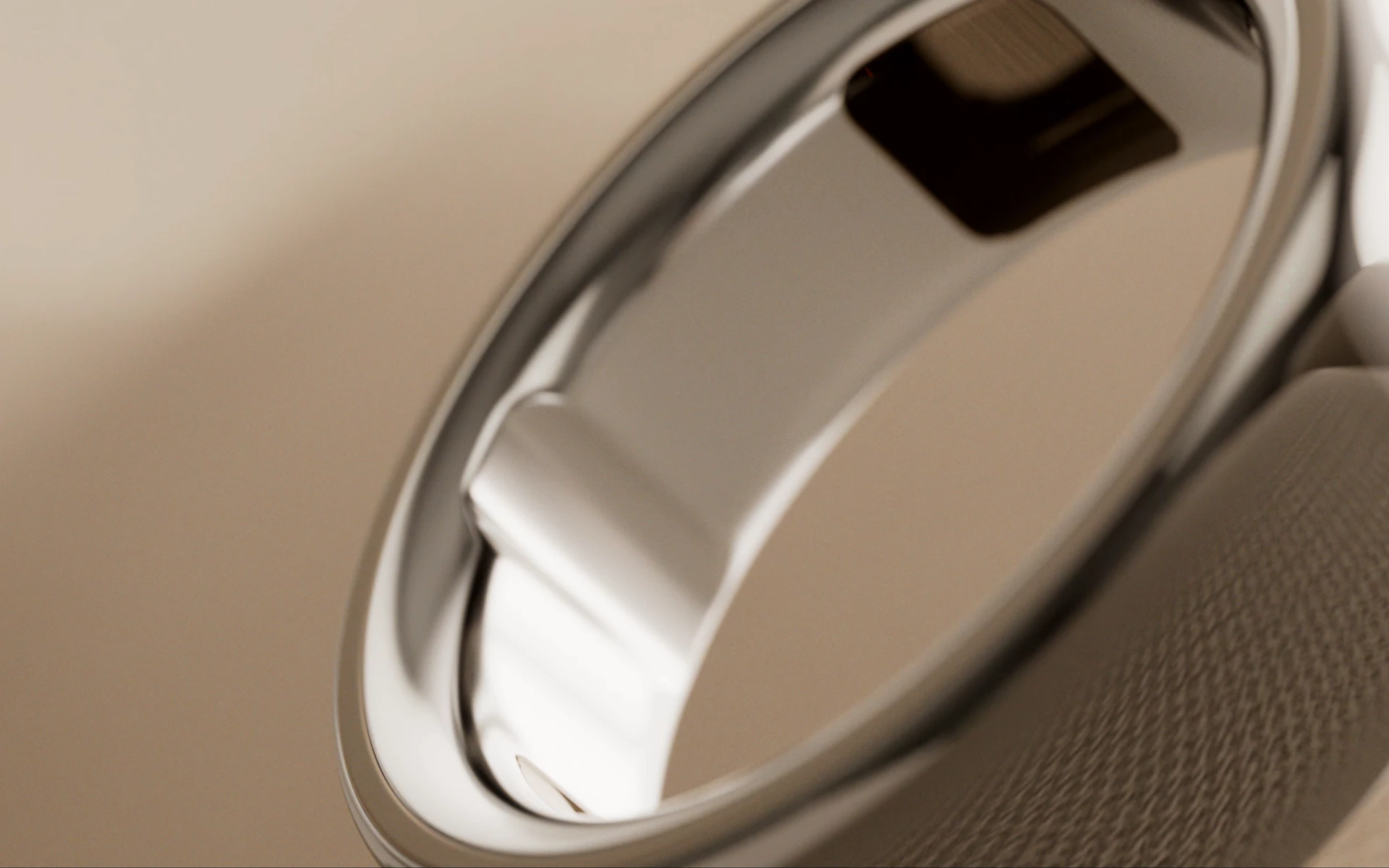
The Oura Ring's sensors — three LEDs and a temperature sensor — have to stay pressed against the inner surface of your finger all night. If the ring is too loose, it spins. When it spins, the sensors point sideways instead of down, and your HRV readings become unreliable.
This isn't a minor issue. I spent the first two weeks with a ring that was a half-size too big. The sleep stage data was inconsistent and my HRV readings jumped around in ways that didn't correlate with how I actually felt. Once I got the right size, the data became much more coherent.
Step 1: Order the free sizing kit
Before you order the Oura Ring, go to ouraring.com and request the free sizing kit. It ships to most countries and arrives in a few days. The kit includes small plastic rings in every available size (US sizes 6–13). You try them on and figure out exactly which size fits best.
This step is genuinely important. Don't try to guess from a ring you already own, because different ring brands have slightly different sizing standards. Use the Oura kit.
How to measure correctly
A few rules that will save you a return:
Measure in the afternoon. Fingers are slightly slimmer in the morning and swell a little through the day. Mid-afternoon is when they're at their typical everyday size. If you measure first thing in the morning, you might order a size too small.
Test the fit overnight. Sleep with a sizing ring on the finger you plan to use. Body temperature rises during sleep, which causes fingers to expand slightly. If a size feels fine during the day but tight by morning, go up half a size.
The fit test. The ring should slide off with a little resistance — you'll need to push it over the knuckle. It should not fall off by itself, and it should not spin freely. If you can rotate it with your thumb without any resistance, it's too big.
Oura Ring size chart
| US Size | Inner diameter (mm) | Inner circumference (mm) |
|---|---|---|
| 6 | 16.5 | 51.8 |
| 7 | 17.3 | 54.4 |
| 8 | 18.2 | 57.2 |
| 9 | 19.0 | 59.7 |
| 10 | 19.8 | 62.2 |
| 11 | 20.6 | 64.7 |
| 12 | 21.4 | 67.2 |
| 13 | 22.2 | 69.7 |
Size 9 is the most common. If you're between two sizes, go up — a slightly loose fit is better than one that's too snug and cuts off circulation during sleep.
Which finger should you use?
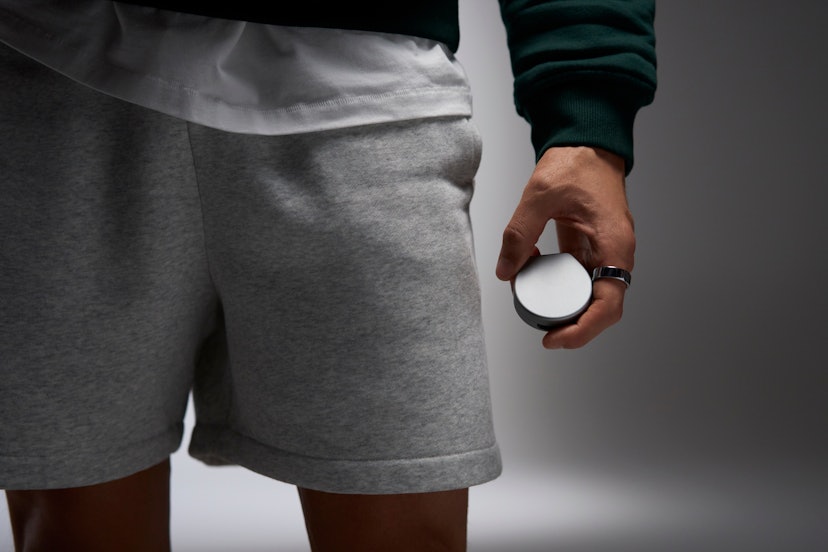
Oura recommends the index finger of your non-dominant hand. In practice, many users prefer the middle or ring finger — both work just as well. What matters is that the fit is snug and the sensors stay aligned on the inside of the finger.
Don't use the thumb — the shape doesn't work well — and avoid the pinky unless it's the only finger that fits properly.
What to do if your size changes
Weight loss or gain, pregnancy, temperature changes — fingers change size over time. If your Oura Ring becomes noticeably loose or tight, Oura has an exchange program. Check their current policy at ouraring.com, but historically they've offered size exchanges at a reduced fee after the initial return window.
Frequently asked questions
Is the Oura Ring sizing kit really free?
Yes. Oura ships a free sizing kit with plastic rings in all available sizes. You can request it from ouraring.com before purchasing. Shipping is included in most countries.
Can I return the Oura Ring if the size is wrong?
Yes. Oura has a 30-day return policy. If the size isn't right, contact support within 30 days for a size exchange. This is why using the sizing kit beforehand is so important — it avoids the hassle of a return.
Do Oura Ring sizes match standard ring sizes?
They use the US ring sizing system (6–13). These generally match standard US sizes, but because the Oura Ring is slightly thicker than a typical band, you may find you need a half size larger than your usual ring size. Always verify with the sizing kit.
What if my knuckle is much larger than my finger base?
This is a common issue. Size for the knuckle — the ring needs to slide over it. A ring sized for the finger base might not pass the knuckle at all. If there's a big difference, try a different finger where the knuckle-to-base ratio is smaller, typically the index or middle finger.